
This year is the 100th birthday of Marilyn Monroe, the legendary film star. Although Ms. Monroe passed away at the young age of 36, her legacy continues to shine in new ways—most recently at Mount Sinai through the vision of philanthropist Lori Hall, who is advancing a cause close to Ms. Monroe’s heart, and in her name: support for the mental health needs of the performing arts community.
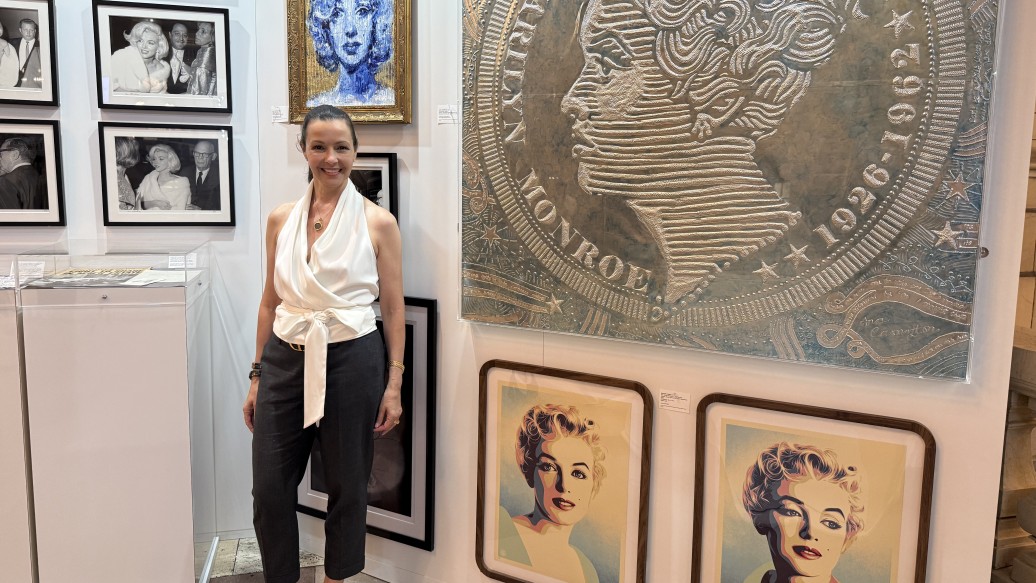
Philanthropist Lori Hall at "Marilyn's New York," a pop-up exhibit produced to raise awareness and support for the Marilyn Monroe Mental Health for the Arts Program at Mount Sinai.
During her lifetime, Ms. Monroe championed greater understanding and support for mental health, and she set aside a portion of her estate to advance that cause. Over time and unrelated to her intentions, that bequest diminished—but its purpose remains deeply relevant today and is now being carried forward by Ms. Hall, who donated $100,000 to establish the Marilyn Monroe Mental Health for the Arts Program at Mount Sinai. In doing so, she pays tribute to a star who understood the pressures of the performing arts and of living both in and out of the spotlight.
“I am honored to help close the circle on Marilyn’s final bequest. Marilyn Monroe remains one of the most widely recognized and misunderstood figures in modern history. She was a humanitarian, a patriot, a woman of intention and soft power,” said Ms. Hall.
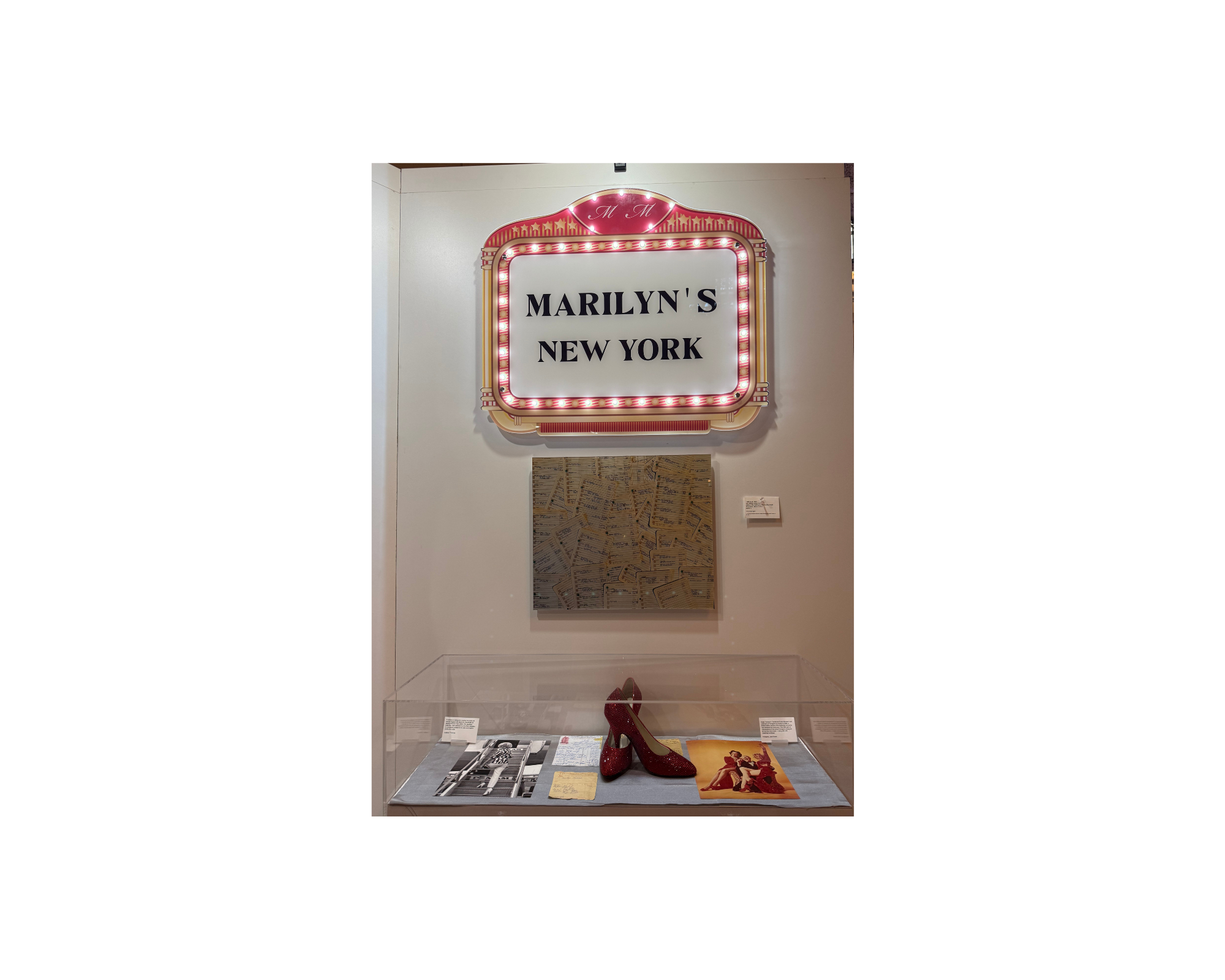
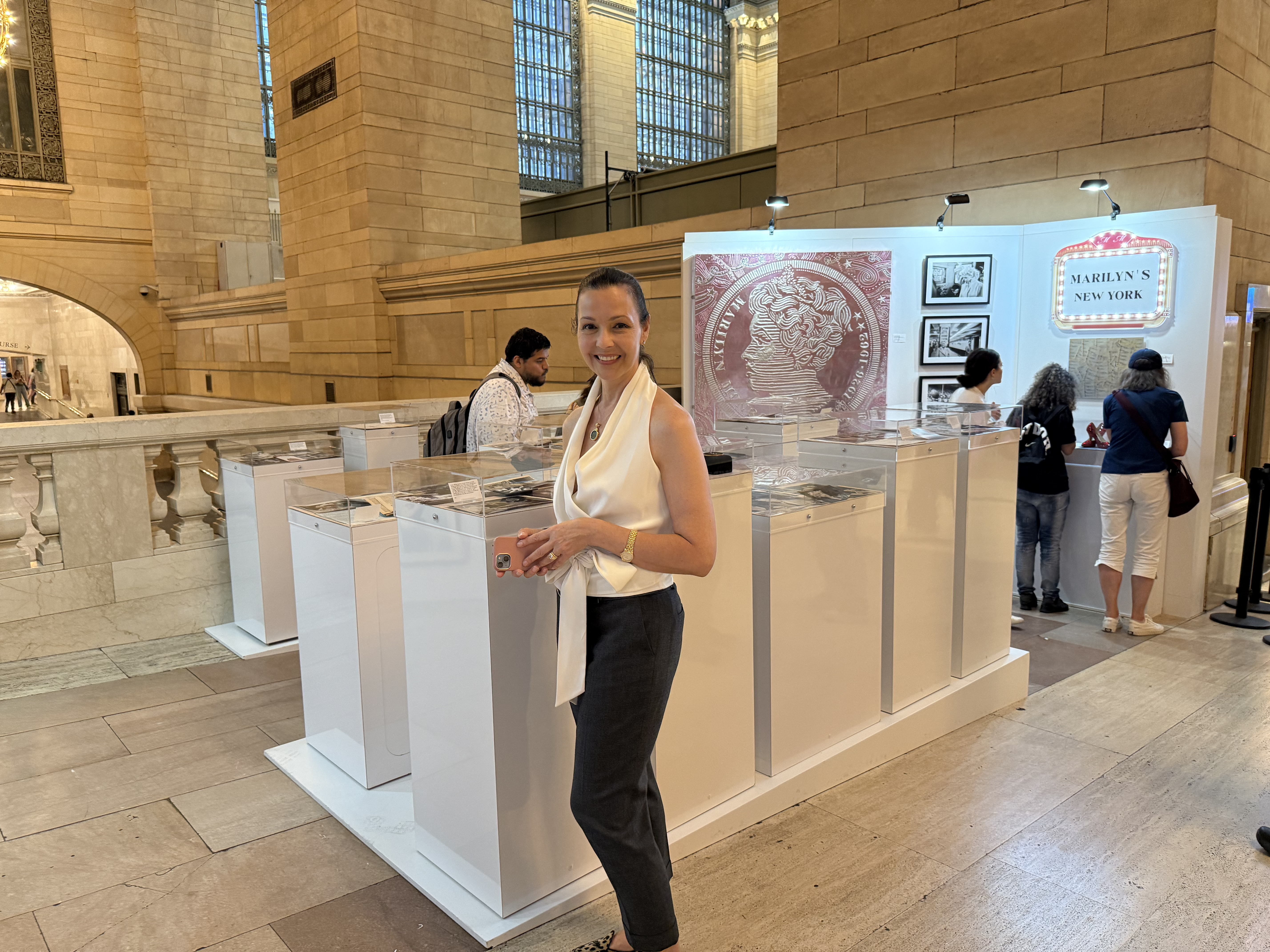
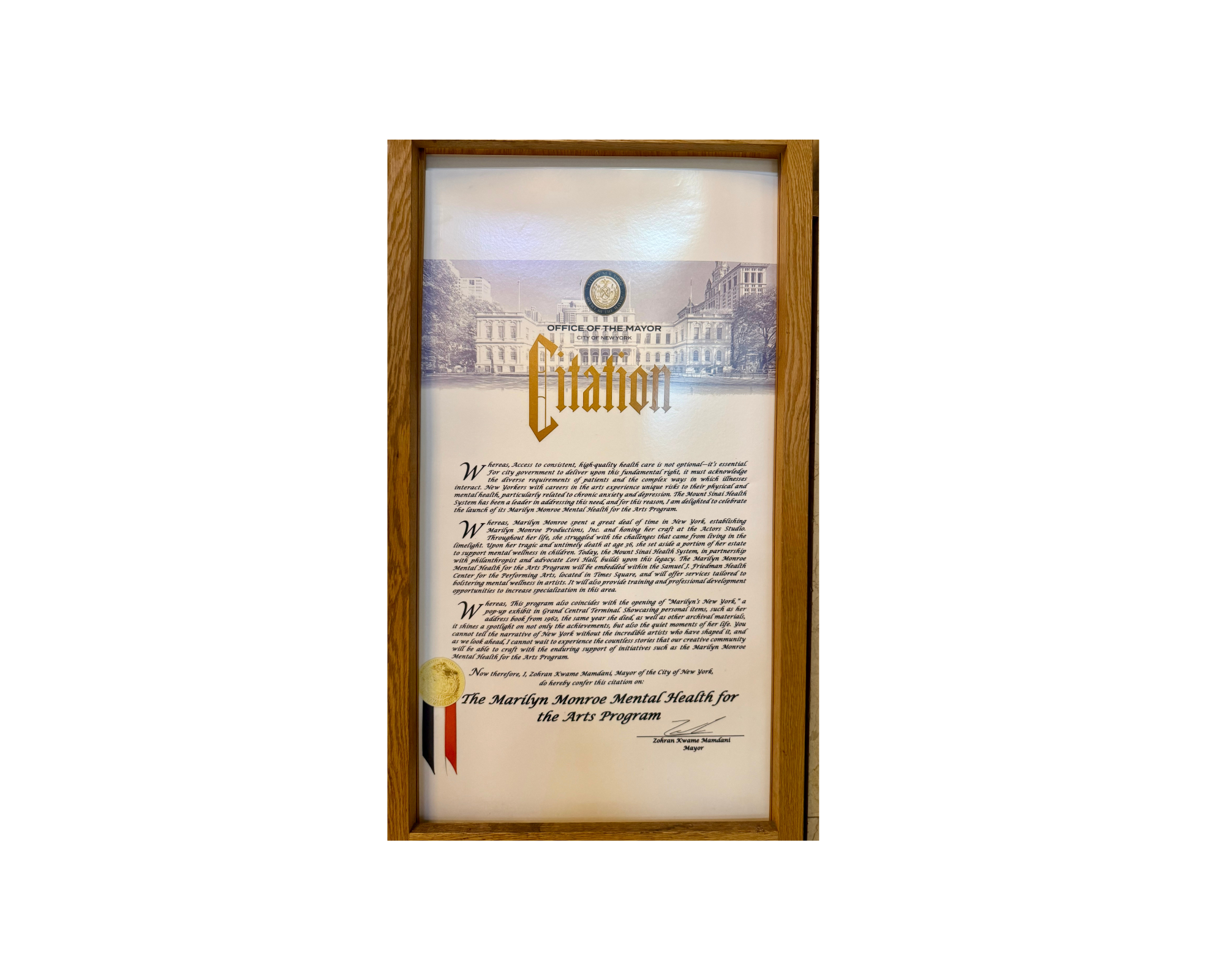
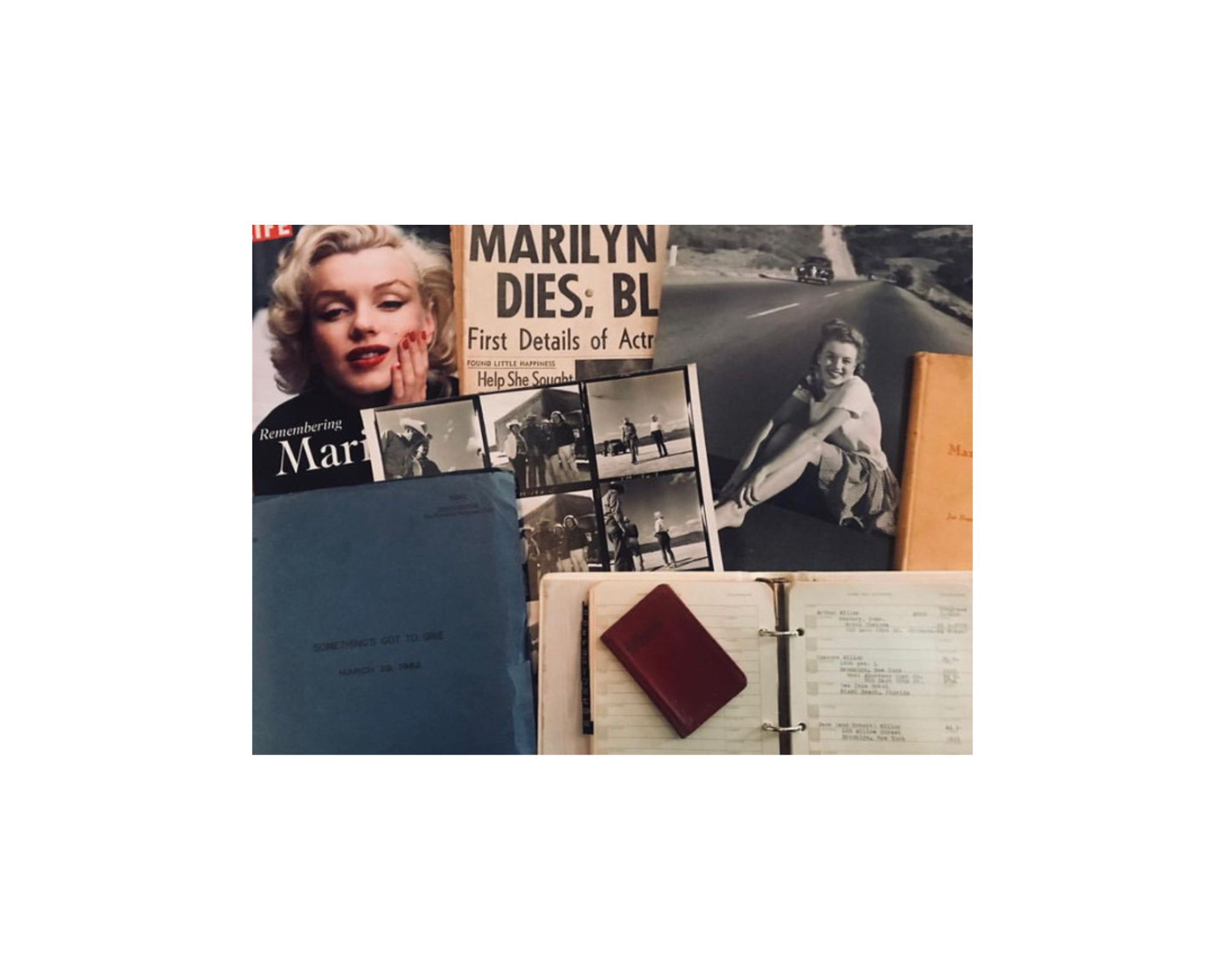
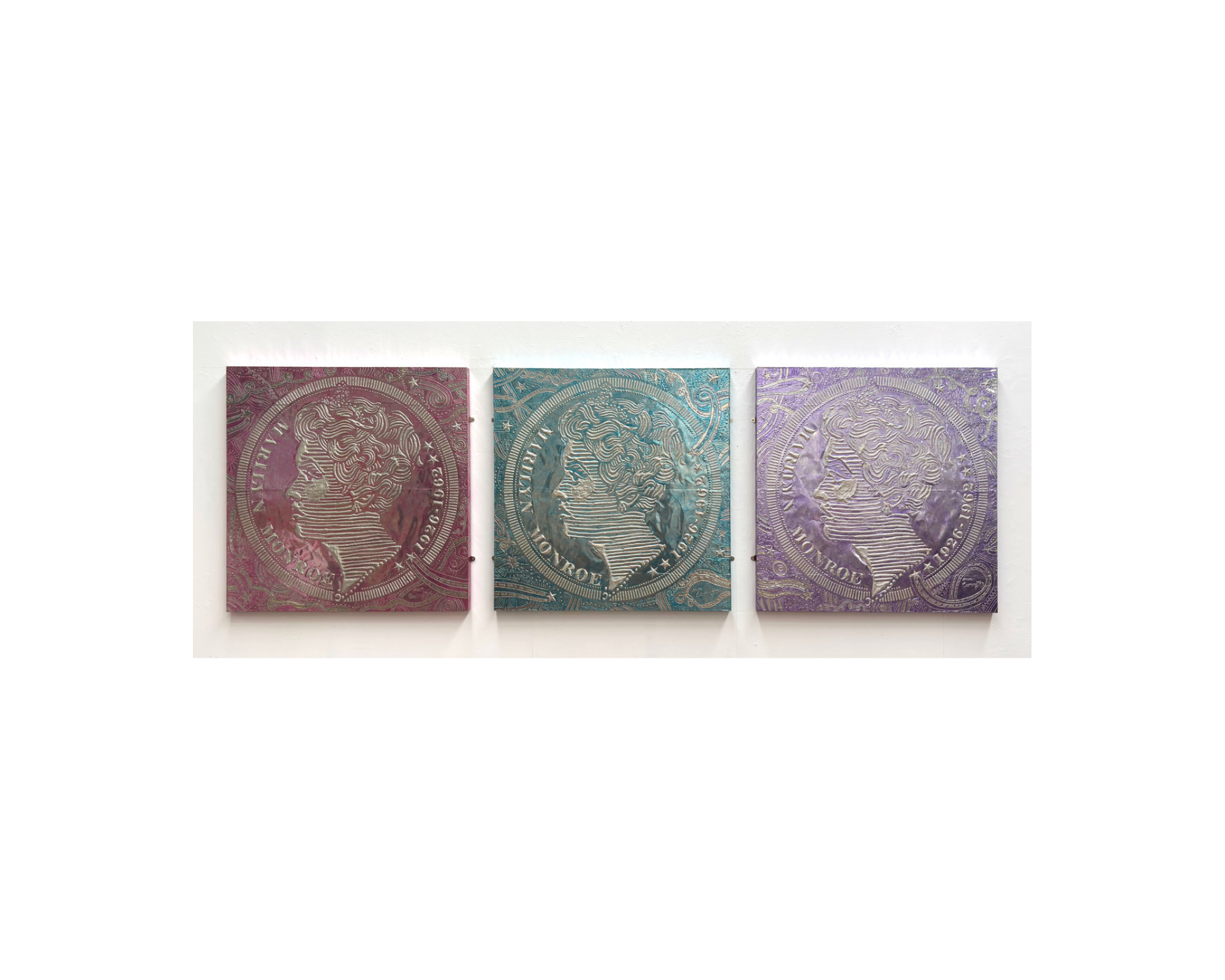
This May, Ms. Hall generated attention and support for the new program with a pop-up exhibit in Grand Central Terminal called “Marilyn’s New York.” The exhibit featured numerous items from Ms. Hall’s own Marilyn Monroe collection, including Ms. Monroe’s 1962 personal address book, paired with archival photography to highlight her deep ties to New York City. The exhibit coincided with the dates Ms. Monroe was in New York performing at Madison Square Garden for President John F. Kennedy in 1962. The visual experience was further enriched by original artworks from acclaimed artists Hunt Slonem, Ann Carrington, and Shepard Fairey. Each artist contributed unique pieces that will be sold to support the Mount Sinai program’s initiatives.
Establishing the Marilyn Monroe Mental Health for the Arts Program is the latest expression of Ms. Hall’s longstanding commitment to Mount Sinai. Together with her former husband George E. Hall, she established The Hall Family Center for Pediatric Endocrinology and Diabetes. Later, she became a dedicated supporter of the Alzheimer’s Disease Research Center, where her father received care for many years. This recent gift was inspired by Ms. Hall’s insight into Marilyn as a person, as she has been a collector of the star’s personal items and memorabilia. See below for Ms. Hall’s reflection on how she came to feel a deep appreciation for Marilyn Monroe and a growing sense of stewardship of her legacy.
The new program is embedded within the Samuel J. Friedman Health Center for the Performing Arts. Located in the heart of Manhattan’s Theater District, the Center was created through a partnership with the Entertainment Community Fund. In 2024 the Center received a TONY Honor for Excellence in the Theatre for its service to the entertainment community, making history as the first medical facility to ever receive a Tony Award.
In a statement reflecting both her and Ms. Monroe’s dedication to mental health advocacy, Ms. Hall expressed, “Through this partnership with Mount Sinai and the Entertainment Community Fund and with the support of her estate, we are able to provide meaningful mental health support to a community in need. I can think of no better way to celebrate her 100th birthday than by fulfilling this wish.”


Serendipitous Inspiration: A Note About Ms. Monroe
For over ten years, I have lived with a quiet responsibility—one shaped by custodianship, stewardship, and legacy.
When Marilyn Monroe’s personal property came into my possession, I knew almost nothing about her. What I found was a woman—relatable, determined, and constantly evolving. I understood and connected with her. I protected her and vowed to expose her.
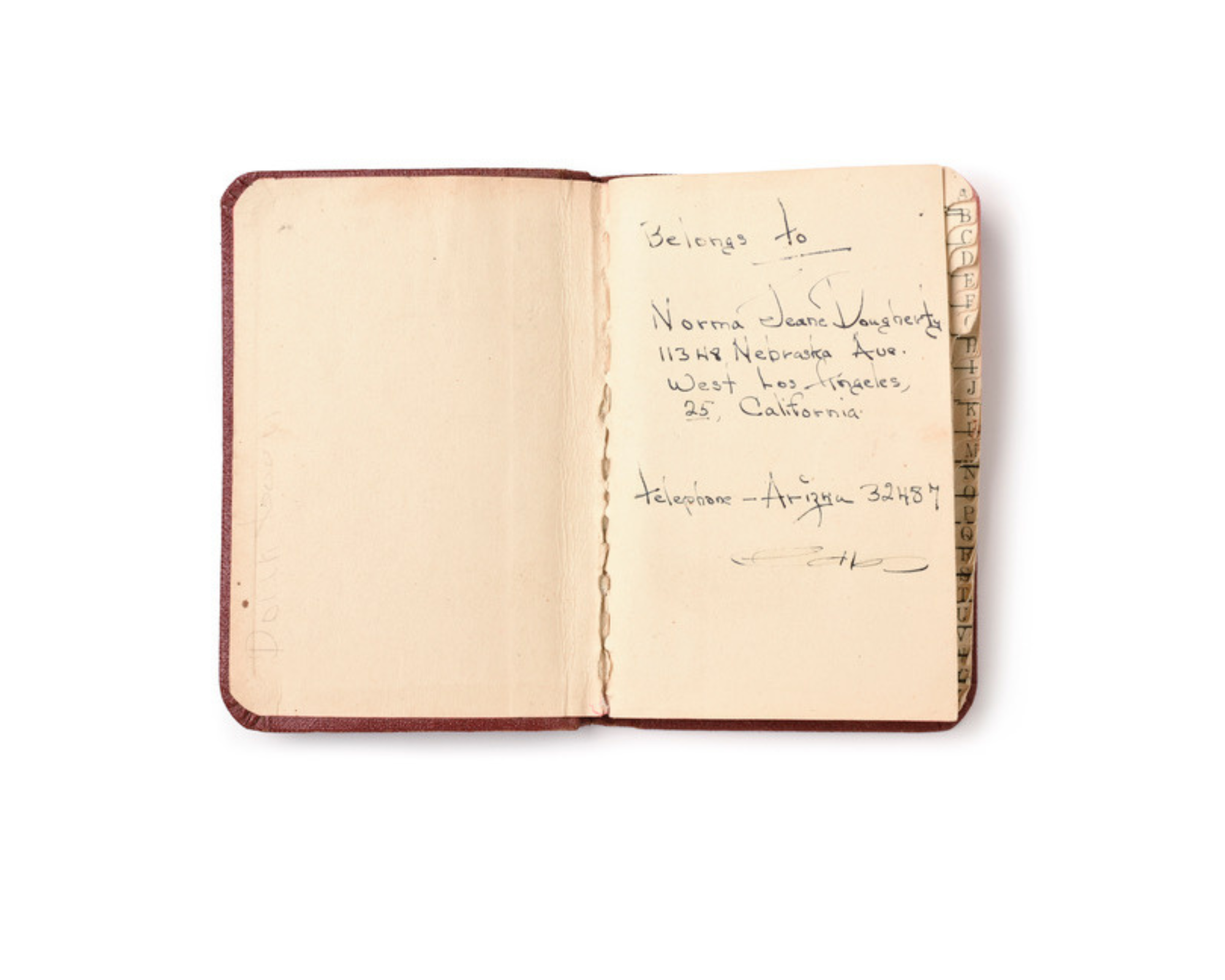
To highlight her personal address books:
In her first address book, she was still Norma Jeane Dougherty. Entries were handwritten with scratched-through contacts, revealing a young woman who was hopeful, aspirational, and looking toward something bigger. Inside the back cover, simply, the name “Marilyn.” A moment of becoming.
Her final address book tells a different story. First, it is typed—redone just months before her death. It reflects an accomplished woman—intentional, discerning, every contact deliberate. Not performative. Not accidental.
Reading between the lines, between the beginning and the end, is where the soft power lives. The kind that is built on growth and self-improvement through studying: reading, listening, practicing. Self-directed psychoanalysis uncovered intelligence and self-awareness. These things, packaged as Marilyn Monroe, opened doors across worlds—she had access to global leaders and cultural figures, to known Communists and mafioso—all on her own terms.
She walked away from what diminished her and toward what expanded her. Without formal education, she became a voracious reader, shaping her own intellect and independence.
In those days, it was not unique for a woman to be misunderstood or marginalized, but Marilyn stood up for what mattered: civil and equal rights; she spoke out against McCarthyism, and against nuclear fear. She used her voice with intention and was devoted to using her platform to create change.
Marilyn loved her craft, believed in helping others, and was deeply committed to mental health support. It says so in her will, and is apparent in how she lived her life.
This is her legacy. Her story.
Years ago, I paid for the privilege to care for a select few of her belongings, but what I gained is far greater. In doing something meaningful with that experience, my own Ithaka feels complete. As any collector knows, we never truly own pieces of history but are grateful custodians.
My gift is not in words but in action—to reaffirm the lessons I have taught my children: to advocate for themselves, to stand up for others, and to know that one person can make a difference.
To close the circle on her final bequest by establishing The Marilyn Monroe Mental Health for the Arts Program with Mount Sinai is an honor.
For this opportunity, I am forever grateful to Marilyn Monroe.
—Lori Hall, May 2026
About the Marilyn Monroe Mental Health for the Arts Program
Under the direction of Shilpa R. Taufique, PhD, Chief of the Division of Psychology for the Mount Sinai Health System, the Marilyn Monroe Mental Health for the Arts Program provides dedicated mental health services for artists at the Friedman Health Center while connecting them to Mount Sinai’s broader network of care.
Ms. Hall’s funding supports the services of Nicholas Kopple-Perry, DO, a Mount Sinai psychiatrist who understands the specific mental health challenges that performing artists face. Dr. Kopple-Perry is available to see patients onsite at the Friedman Health Center, and mental health practitioners are on call for acute mental health emergencies that may arise. A wide range of specialists from Mount Sinai’s Psychiatry and Psychology faculty will provide training that further equips the Entertainment Community Fund’s social work staff to address mental health needs and connect patients with additional resources.
Careers in the entertainment industry are incredibly rewarding, but they can also present numerous risks to members’ physical and mental health. Whether a singer, dancer, musician, actor, or individual in the back of the house, the demands of these roles are grueling. The career of a performer can pose specific psychological demands, which can create chronic challenges with stress, anxiety, and depression. The relentless cycle from auditions to rehearsals to performances and the in-between can present overwhelming strain on an individual’s mental well-being.
“I am deeply grateful for the opportunity to extend thoughtful, responsive mental health care to members of the entertainment community,” said Dr. Taufique. “The creative process for performing artists is profoundly personal—it asks individuals to draw on their emotional depth, vulnerability, and lived experience in ways that are both generative and, at times, depleting. When that level of openness is paired with the unpredictability and intensity of the industry, it can place unique demands on one’s mental health. It is a privilege to help build a program that not only recognizes these nuances, but also offers care that honors the artistry itself while supporting the well-being of those who bring it to life.”
If you are interested in renewing Ms. Monroe’s original intention, while ensuring that the artists who inspire us are themselves supported, cared for, and never left to struggle alone, you can Support the Marilyn Monroe Mental Health for the Arts Program
Marilyn Monroe™; Rights of Publicity and Persona Rights are used with permission of the Estate of Marilyn Monroe LLC. marilynmonroe.com.


